
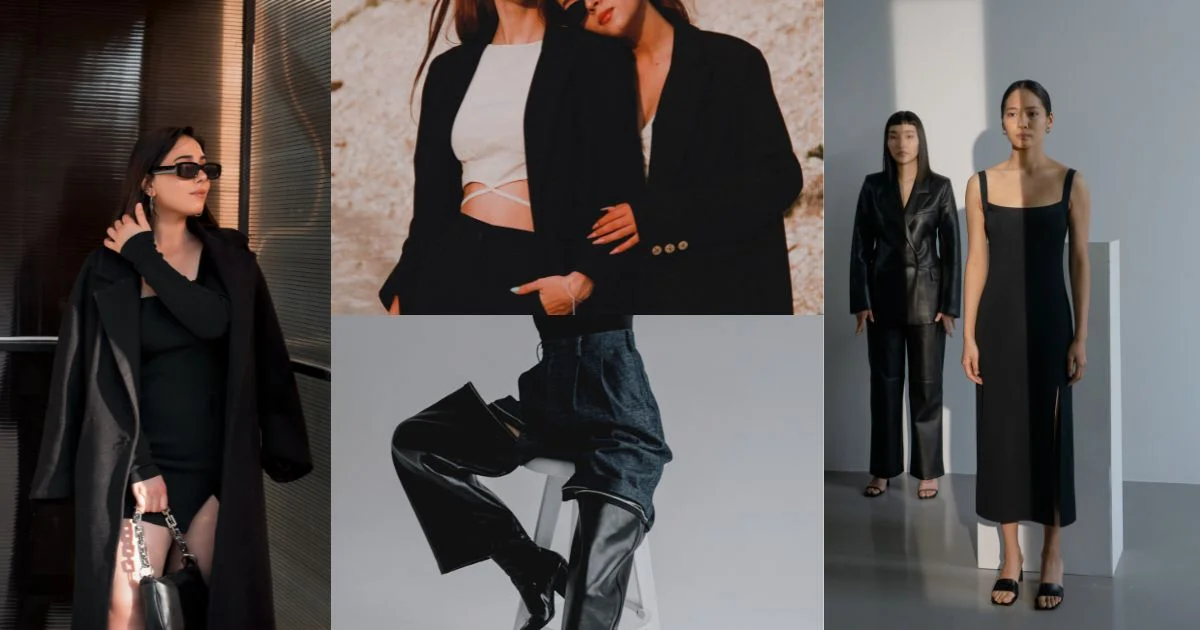
Fashion is more than just clothing. It reflects culture, history, climate, and individual identity. Around the world, regional fashion trends showcase a vibrant tapestry of creativity, innovation, and tradition. Each region embraces unique styles influenced by local customs, social norms, and global influences. Understanding these trends can offer not only inspiration for personal style but also a deeper appreciation for the cultural nuances that shape what people wear. From the bustling streets of Tokyo to the sun-soaked avenues of Milan, fashion evolves continuously, yet it remains rooted in regional identity.
Vibrant Regional Fashion Trends Transforming Global Style
Japan
Japan has long been a global beacon for fashion innovation, where style constantly pushes boundaries. Tokyo’s neighborhoods, particularly Harajuku and Shibuya, have become legendary for their eclectic street style. Here, fashion is an art form and a statement of individuality. Young enthusiasts layer oversized jackets over patterned shirts, pair bold prints with unexpected accessories, and experiment with textures in ways that feel daring yet intentional. Retro influences, punk aesthetics, and futuristic designs often intersect, creating visually striking, culturally resonant looks.
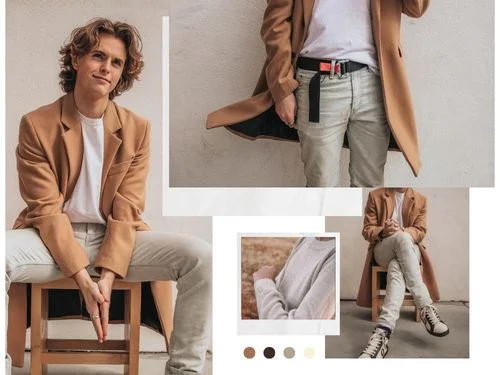
Japanese fashion is not only about making a statement but also about meticulous attention to detail. Accessories, footwear, and even hairstyles are carefully chosen to complement the outfit. Iconic brands like Comme des Garçons, Issey Miyake, and A Bathing Ape showcase the country’s ability to balance avant-garde creativity with wearable design. Harajuku’s influence also extends to international fashion, inspiring global streetwear trends with its playful, boundary-pushing ethos. The focus on precision, from hand-stitched details to carefully curated color combinations, ensures that even casual streetwear looks highly intentional. Beyond aesthetics, Japanese street fashion is a tool for self-expression in a society that often values conformity, offering a unique outlet for personal identity.
South Korea
South Korea has emerged as a global fashion powerhouse, driven mainly by the influence of K-pop and K-drama, as well as a growing cultural export industry. Seoul’s streets are a canvas for fashion experimentation, characterized by clean lines, oversized outerwear, and soft pastel palettes. Layering remains a significant trend, allowing fashion lovers to effortlessly combine comfort with style. Korean street fashion frequently blends casual pieces with luxury items, creating a polished yet approachable look. Brands like Gentle Monster, Wooyoungmi, and Andersson Bell exemplify this trend, merging traditional Korean aesthetics with contemporary global influences to create designs that feel fresh and sophisticated.
Fashion in South Korea often goes hand in hand with beauty trends. Clothing and makeup are harmonized to produce a cohesive look that emphasizes soft, natural tones, subtle highlights, and effortless charm. For instance, a pastel blazer might be paired with nude-toned makeup and statement accessories, creating a refined, Instagram-ready outfit. The emphasis on versatility and polish makes Korean fashion particularly appealing worldwide, inspiring global audiences who admire its mix of elegance, creativity, and practicality. South Korean fashion is also culturally expressive, reflecting modern urban life while nodding to traditional aesthetics through fabric choices, patterns, and cuts.
India
India’s fashion scene is a vibrant fusion of color, texture, and centuries-old craftsmanship. Across the country, styles vary dramatically, reflecting local culture, climate, and history. Mumbai is known for opulent sarees, glamorous party wear, and bold street styles, while Rajasthan is celebrated for intricate embroidery, mirror work, and handwoven fabrics. Clothing often tells a story, preserving cultural heritage while adapting to modern tastes. Contemporary Indian fashion blends traditional attire with global influences, resulting in versatile pieces suitable for casual outings, weddings, or corporate events. Designers like Sabyasachi Mukherjee, Manish Malhotra, and Anita Dongre are at the forefront, marrying luxurious fabrics with meticulous handwork to create garments that are as artistic as they are wearable.
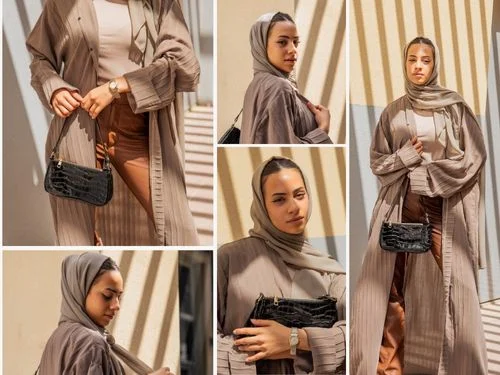
Regional diversity ensures that trends differ widely across India. Urban centers are hubs of fusion fashion, seamlessly mixing Western cuts, silhouettes, and fabrics with Indian embroidery, draping, and motifs. Rural areas, however, often retain age-old traditions in which handloom textiles, block prints, and artisanal embroidery are central to everyday attire. Festivals, weddings, and cultural ceremonies further shape fashion trends, emphasizing bright colors, layered jewelry, and intricate detailing. India’s fashion landscape is thus a living, dynamic canvas that balances heritage and modernity, creating a uniquely expressive and endlessly inspiring style ecosystem.
Italy
Italy has long been associated with luxury and high fashion. Milan is one of the world’s leading fashion capitals, showcasing a mix of contemporary and classic trends. Italian fashion emphasizes quality, fit, and attention to detail. Tailoring is a cornerstone, with impeccably crafted suits, dresses, and coats defining elegance.
Italian fashion houses like Gucci, Prada, and Valentino have set global standards, influencing trends far beyond Europe. Color palettes often range from bold reds and deep blues to neutral tones that highlight the material and cut. Accessories, particularly leather goods and statement shoes, play a significant role in completing an Italian outfit.
France
Paris is synonymous with chic, understated elegance. Parisian fashion tends to favor classic silhouettes, timeless color palettes, and high-quality fabrics. Key trends often include tailored blazers, striped tops, and leather handbags. French style embraces a philosophy of investing in fewer, high-quality pieces that can be mixed and matched effortlessly.
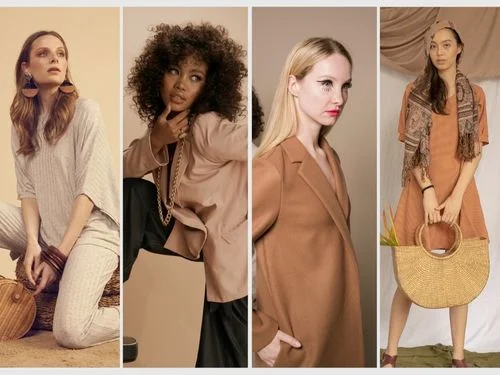
French designers such as Chanel, Saint Laurent, and Dior continue to set trends, emphasizing sophistication, femininity, and innovation. The Parisian approach to fashion also prioritizes comfort without sacrificing style. Women and men alike often pair minimalistic clothing with signature accessories, creating a look that is both elegant and practical.
United Kingdom
British fashion often balances tradition with rebellious creativity. London is known for its dynamic fashion scene, encompassing everything from Savile Row tailoring to punk-inspired streetwear. Classic British staples like trench coats, tweed jackets, and brogues coexist with bold, edgy designs influenced by music, youth culture, and art.
Designers such as Burberry, Alexander McQueen, and Vivienne Westwood have shaped global fashion with their innovative approach. British fashion embraces individuality, encouraging self-expression through unexpected combinations and daring designs. The result is a style that feels both historic and contemporary, reflecting the country’s rich cultural heritage.
United States
The United States offers a fashion landscape as diverse as its population. New York City, Los Angeles, and Miami each have distinct styles that influence global trends. Streetwear, athletic wear, and casual chic dominate many urban centers, with brands like Supreme, Off-White, and Nike shaping youth culture.
American fashion often emphasizes practicality without sacrificing style. Denim, sneakers, and oversized outerwear are popular staples. Regional variations also emerge, such as the West Coast’s laid-back, surf-inspired aesthetic or the East Coast’s polished urban sophistication. American designers frequently mix innovation with comfort, reflecting the country’s fast-paced, trend-driven lifestyle.
Canada
Canadian fashion has gained attention for its minimalist yet functional approach. Urban centers like Toronto and Montreal favor neutral tones, clean lines, and durable fabrics. Sustainability is also a key focus, with many Canadian brands prioritizing eco-friendly materials and ethical production. Designers such as Smythe and Matt & Nat reflect these values, creating clothing and accessories that are both stylish and socially conscious.
Brazil
Brazilian fashion is synonymous with energy, color, and confidence. The tropical climate influences clothing choices, favoring lightweight fabrics, bold prints, and bright colors. Rio de Janeiro’s street fashion often showcases beach-inspired styles, including swimwear, sandals, and casual dresses.
Brazilian designers like Osklen and Lenny Niemeyer blend contemporary trends with cultural motifs, creating vibrant, wearable pieces. Festivals such as Carnival also play a significant role in shaping fashion trends, emphasizing elaborate costumes, sequins, and playful accessories.
Argentina
Argentine fashion balances urban sophistication with traditional influences. Buenos Aires is a fashion hub where modern tailoring meets vibrant colors and textures. Leather jackets, elegant boots, and chic layering are staples that reflect both practicality and style. Designers often incorporate local fabrics and artisanal details, making garments that feel unique to the region while maintaining global appeal.
Nigeria
Nigerian fashion celebrates heritage through bold colors, intricate patterns, and dynamic silhouettes. Traditional attire such as agbadas, kaftans, and headwraps coexist with modern designs, creating a vibrant fashion culture. Nigerian designers like Lisa Folawiyo and Maki Oh combine contemporary tailoring with African textiles, making pieces that appeal globally.
Fashion in Nigeria is also a tool for cultural storytelling. Clothing often represents social status, community, and identity, with fabrics and patterns chosen for specific events and celebrations.
South Africa
South African fashion is a fusion of traditional influences and modern urban style. Cape Town and Johannesburg have vibrant fashion scenes that blend local crafts with contemporary silhouettes. Prints inspired by Ndebele, Zulu, and Xhosa patterns are often incorporated into modern clothing, creating a striking balance between heritage and innovation.
South African designers like Rich Mnisi and Maxhosa by Laduma are celebrated for their creativity and commitment to showcasing African culture on the global stage.
Australia
The country’s laid-back coastal lifestyle heavily influences Australian fashion. Lightweight fabrics, sun-friendly silhouettes, and comfortable footwear define much of the fashion scene. Cities like Sydney and Melbourne blend streetwear with beachwear, creating a practical yet stylish aesthetic. Brands such as Zimmermann and Camilla combine playful prints with luxury design, reflecting the diversity of Australian trends.
New Zealand
New Zealand’s fashion trends emphasize sustainability, comfort, and understated elegance. Minimalist designs, earthy tones, and eco-friendly fabrics dominate the fashion landscape. Designers like Karen Walker and WORLD are known for creating functional yet stylish clothing that aligns with the country’s natural surroundings and environmental values.
Why Regional Fashion Still Shapes the World
Regional fashion trends worldwide offer a fascinating glimpse into the intersection of culture, climate, and creativity. Each region develops its unique identity, from Japan’s experimental streetwear to Italy’s luxury tailoring and Nigeria’s vibrant prints. These trends are influenced by history, art, lifestyle, and social dynamics, making fashion a powerful medium for cultural expression.
Globalization and social media have also blurred regional boundaries, allowing trends to spread quickly while still maintaining local uniqueness. Fashion is now a conversation between the past and the present, tradition and innovation, personal expression and global influence. By exploring regional styles, individuals can find inspiration, celebrate cultural diversity, and enhance their personal wardrobe with pieces that reflect the rich tapestry of global fashion.
The minimalist elegance of Paris, the eclectic energy of Tokyo, and the vibrant colors of Rio de Janeiro all highlight how regional fashion trends shape global style. Fashion functions as more than clothing, serving as a lens to observe cultures, understand communities, and communicate identity without words.