Keeping pets safe has always been a top priority for pet owners. Whether you have a curious dog who thinks every squirrel is an invitation to sprint across the neighborhood or a cat who treats the outdoors like a personal kingdom, managing their safety takes constant attention. Over the past decade, technology has made this easier. One of the most helpful innovations is the rise of GPS collars with geofencing. These devices give owners more peace of mind, more control over their pet’s whereabouts, and more freedom without constantly worrying about escape attempts.
GPS collars with geofencing combine real-time location tracking with invisible boundaries that send alerts if the pet wanders too far. It is like giving your pet the freedom to explore without giving yourself a heart attack every time they disappear behind a bush. As more pet parents embrace smart home technology, these collars have become essential for safety, training, and daily convenience.
This guide walks through everything you need to know about GPS collars with geofencing. It covers how they work, what features matter most, real-world examples, and practical tips for choosing the best one for your pet. Consider it your complete starting point before investing in a device that can make outdoor time safer and less stressful.

What Is a GPS Collar With Geofencing?
A GPS collar with geofencing is a pet wearable that tracks your pet’s location and alerts you if they leave a designated safe zone. The collar uses satellites and, sometimes, cellular networks to pinpoint your pet’s location. Geofencing enables the creation of virtual boundaries. Once you set a zone, the collar notifies your phone if your pet crosses that invisible line.
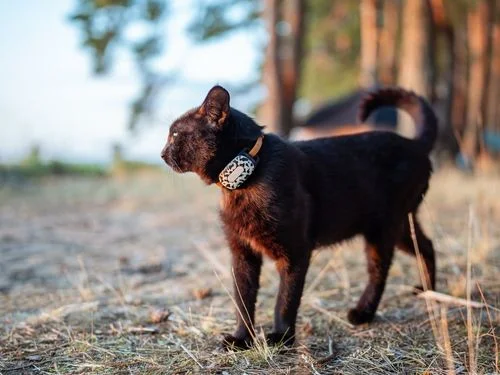
These boundaries can be large or small and take the shape of circles, squares, or custom outlines, depending on the device. Owners can set up multiple zones and switch between them easily. For example, you might set one boundary for your backyard, another for your neighborhood, and a third when traveling with your pet.
The result is a system that works quietly in the background. It keeps you updated on your pet’s activity without you having to check where they are constantly.
Why Geofencing Has Become So Popular
Geofencing has become a go-to feature for modern pet owners because it solves a long-standing problem. Pets love to explore. Dogs are naturally curious and adventurous. Cats act like they own every street within a two-mile radius. Trying to supervise them constantly is exhausting. GPS collars with geofencing step in as a digital safety net, instantly alerting you when your pet wanders too far.
Another reason these collars are gaining popularity is the rise in pet travel. More people bring pets on road trips, outdoor adventures, and vacations. A portable safety perimeter gives owners confidence that their pet will not slip away in a new environment.
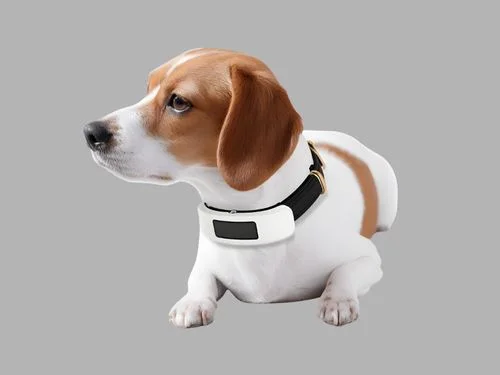
The final push comes from the devices becoming more user-friendly. Older tracking collars were bulky, expensive, and offered limited coverage. Today’s models are lightweight, long-lasting, and designed with pet comfort in mind. Apps are intuitive, and alerts arrive quickly. Prices have also become more affordable over the years, making it easier for families with multiple pets.
How GPS Collars With Geofencing Actually Work
Understanding how the technology functions makes it easier to appreciate its benefits. Here is a quick breakdown of the process behind each feature.
GPS Tracking
The collar communicates with global positioning satellites. These satellites calculate the pet’s exact location by measuring how long it takes signals to travel between the device and the satellite network. The collar then transmits that position to your phone via cellular, Bluetooth, or WiFi.
Geofencing
The owner uses the device’s connected app to create a virtual boundary. Once the pet steps outside that boundary, the device registers the location change and triggers an alert. Notifications may arrive via text, push alert, or email, depending on your settings.
Activity Monitoring
Many GPS collars go beyond simple tracking. They monitor steps, rest time, sleep quality, and overall activity levels. These metrics help owners detect early signs of illness or behavioral changes. It is like giving your pet a fitness tracker that doubles as a guardian.
Communication Networks
Most collars rely on cellular networks to share real-time locations. Some use Bluetooth or WiFi for close-range tracking. These networks ensure your phone receives the latest data even if your pet is far from home.

Key Features to Look For
Not all GPS collars with geofencing offer the same level of performance. Here are the features that matter most when choosing the correct device for your pet.
Real-Time Tracking
The best collars update location information every few seconds. Real-time tracking is essential when a pet escapes or wanders too far. Devices that refresh slowly may lag behind your pet’s actual path, causing unnecessary panic.
Flexible Geofence Options
Look for collars that offer multiple custom boundaries. You should be able to switch between zones without having to redefine them manually each time. The ability to create irregular shapes is a bonus for owners with unusual yard layouts.
Long Battery Life
A collar with a short battery life becomes an unreliable safety tool. Many high-quality models last several days to several weeks on a single charge. Choosing a device with at least three days of battery life reduces the risk of downtime.
Durability
Pets can be rough on their gear. Waterproof and shock-resistant materials are essential for dogs who swim, dig, wrestle, or run through dense brush. Cats need lightweight materials that do not weigh them down during climbs.
Compatibility With Your Region
Some GPS collars only work in specific countries or regions due to network limitations. Make sure the device supports the cellular frequencies in your area. Travelers should look for global or multi-region compatibility.
Subscription Options
Many GPS collars require monthly subscriptions for full tracking features. While this might feel inconvenient, the subscription often supports the cellular data needed for accurate location updates. Compare subscription prices before committing to a brand.
Examples of Popular GPS Collars With Geofencing
The market offers a wide range of models designed for different lifestyles and pet types. Here are a few well-known examples that show how varied these devices can be.
Fi Smart Collar Series
Fi is known for long battery life and strong geofencing features. Owners can set custom boundaries, monitor activity levels, and receive alerts when the pet leaves the safe zone. The collar is durable, waterproof, and stylish.
Tractive GPS
Tractive offers worldwide coverage, affordable subscription plans, and fast real-time tracking. It is one of the more budget-friendly options that still delivers accurate performance. The device works well for both dogs and cats.
Whistle Go Explore
Whistle combines GPS tracking with health insights. It monitors licking, scratching, sleeping habits, and daily activity. Owners receive geofence alerts along with deeper insights into overall wellness.
Halo Collar
The Halo Collar integrates GPS tracking, geofencing, and training tools. It uses sound and vibration cues to guide dogs back into safe zones. This is ideal for owners who want a training-friendly collar with built-in reinforcement methods.
Real-World Scenarios Where Geofencing Helps
To appreciate how useful geofencing can be, imagine everyday situations where these collars shine.
The Backyard Adventurer
Some dogs consider a fence to be a suggestion rather than a rule. If your pet enjoys slipping out through small gaps or following interesting scents, a geofence can alert you the moment they escape. Instead of noticing several minutes later, you receive a near-instant update.
The Neighborhood Explorer
Sure, pets treat the neighborhood like a public park. If they wander beyond the areas you consider safe, a GPS collar alerts you and helps you locate them quickly. This is especially helpful for senior dogs, deaf pets, or those recovering from medical issues.
The Apartment Escape Artist
Even indoor pets sometimes surprise their owners. Cats who bolt through open doors or gaps in balconies can be located more quickly with a GPS collar. A small geofence around your building helps you see whether the cat is still nearby or has ventured farther.
The Traveling Pet
When visiting a new place, pets might feel disoriented. Creating a temporary geofence around your vacation rental lets you relax while keeping your pet safe. If your dog slips away during a family trip, the collar guides you right to them.
The Farm Dog
Working dogs on large properties benefit from wide geofence boundaries. Instead of restricting them, the collar monitors movement over several acres. Owners receive alerts only when the dog leaves the intended land area.
Common Misconceptions About GPS Collars
Because GPS collars sound high-tech, a few myths tend to circulate. Here are the most common ones, along with the truth behind each.
Geofencing Works Like an Electric Fence
It does not. GPS collars do not deliver shocks. They only alert the owner when a pet leaves a safe zone. Some training collars use sound or vibration cues, but these are gentle reminders rather than punishments.
GPS Tracking Works Without Cell Signal
Most GPS collars require connectivity to send location updates to your phone. The collar still reads coordinates through satellite signals, but you may not receive timely updates if there is no data connection. Some advanced models offer mixed network coverage to reduce dead zones.
GPS Collars Replace Proper Training
A collar helps monitor your pet, but it does not replace responsible training or supervision. It simply adds another layer of safety.
Tips for Using GPS Collars Effectively
To get the best performance out of your device, consider these practical tips.
Adjust the Fit Properly
The collar should be snug but comfortable. A loose collar may shift too much, affecting tracking accuracy. A good rule is to leave a space of 2 fingers between the collar and your pet’s neck.
Regularly Check Battery Levels
Make it a habit to check the battery at the end of each day or every few days. Some apps let you schedule low-battery alerts to prevent unexpected shutdowns.
Update App Settings
Apps often include functional customization such as alert tones, refresh intervals, and activity goals. Fine-tuning these settings creates a more personalized experience.
Start With a Small Geofence
When testing the collar for the first time, start with a small, safe zone. Walk your pet around the boundary to observe alert timings and responsiveness.
Pair the Collar With Training
If your device includes sound or vibration cues, introduce these gently while offering positive reinforcement. This helps pets understand that the cues mean it is time to return to safety.
How Future Technology Will Improve GPS Collars
The evolution of GPS collars is far from over. As technology becomes more innovative and energy-efficient, future models may offer stronger connectivity, longer battery life, and even more personalized features. Artificial intelligence may help predict a pet’s movements or analyze health patterns more accurately. Collars may become thinner, lighter, and more comfortable, especially for smaller pets.
Another area of growth is integration with smart home systems. Imagine receiving alerts through your smart speakers or having automated routines trigger when your pet breaches a boundary. Better mapping accuracy and improved satellite coverage will further enhance performance.
Why GPS Collars Matter More Than Ever
GPS collars with geofencing have become one of the most helpful tools for modern pet owners. They offer a blend of safety, convenience, and peace of mind that older tracking systems could never match. Whether your pet is an adventurer, an escape artist, or simply a curious explorer, these devices help you stay connected to their movements with less stress and more confidence. As technology continues to evolve, these collars will only become more accessible, more accurate, and more essential to everyday pet safety.