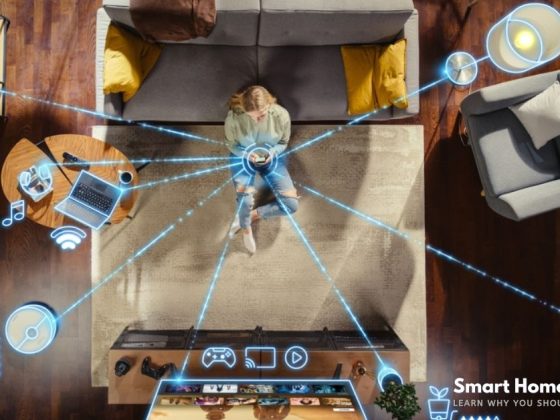

In recent years, the nature of healthcare has been transforming rapidly. Medical technology, once limited to hospitals and specialized clinics, is increasingly available to the general public through home-use medical devices. These devices are changing the way people monitor, manage, and maintain their health. With technological advancements becoming more affordable, health management is no longer confined to healthcare professionals. From wearable sensors to portable diagnostic tools, medical gadgets are making health more accessible, convenient, and proactive for millions worldwide.
The Rise of Home Health Monitoring Devices
The rise of home health monitoring devices is one of the most significant changes in modern healthcare. Devices such as blood pressure monitors, glucometers, pulse oximeters, and digital thermometers allow individuals to track their health metrics from the comfort of their homes. For people with chronic conditions like diabetes, hypertension, or heart disease, these gadgets provide a vital link between daily monitoring and professional medical care.
Take blood pressure monitors, for example. Once the domain of clinics, they are now widely available in compact, easy-to-use formats. Many models connect directly to smartphones, allowing users to log readings over time and share them instantly with healthcare providers. This real-time tracking can detect patterns early, enabling interventions before serious complications arise. Similarly, glucometers for diabetes management now offer continuous glucose monitoring, providing real-time feedback without the need for frequent finger pricks.
Portable pulse oximeters have gained particular prominence during respiratory health crises, such as the COVID-19 pandemic. These small devices measure oxygen saturation levels, helping individuals monitor their breathing and alerting them to potential emergencies. The accessibility of such devices allows for faster response times and reduces unnecessary hospital visits.
Wearable Technology Revolution
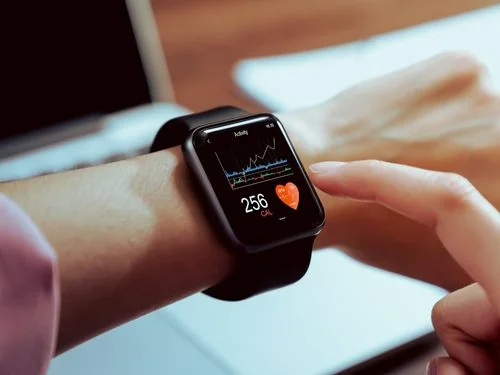
Wearable technology has transformed the way people approach personal health. Fitness trackers and smartwatches are no longer limited to counting steps or tracking calories. Modern devices offer heart rate monitoring, sleep tracking, ECG readings, blood oxygen levels, and even stress assessment. These wearables empower users to take control of their health through data-driven insights.
For instance, smartwatches equipped with ECG sensors can detect irregular heart rhythms and alert the wearer to seek medical advice. Similarly, devices that measure sleep quality provide actionable recommendations to improve rest, which is critical for overall health. These tools are particularly valuable for individuals who may not have immediate access to healthcare facilities but still need continuous monitoring for chronic conditions.
Beyond personal use, wearable devices are increasingly integrated into telemedicine programs. Physicians can receive real-time patient data, enabling accurate, efficient remote consultations. This capability is transforming healthcare delivery, especially in rural or underserved areas where access to clinics may be limited.
Portable Diagnostic Devices
Medical diagnostics have also become more accessible through portable devices. Compact ultrasound machines, handheld ECG devices, and portable blood analyzers are bringing hospital-level diagnostics into clinics, community centers, and even homes. These devices reduce the need for multiple appointments and enable quicker decision-making.
Handheld ultrasound machines, for example, allow medical professionals to perform real-time imaging without bulky equipment. They are particularly valuable in emergency settings or remote areas, where traditional imaging tools may not be available. Similarly, portable ECG monitors provide immediate heart assessments, making it easier to detect arrhythmias or other cardiac conditions promptly.
Point-of-care blood testing devices are another innovation enhancing accessibility. These compact analyzers allow patients and healthcare providers to conduct tests for cholesterol, glucose, kidney function, and even certain infections without sending samples to a laboratory. Immediate results accelerate treatment decisions and reduce the time patients spend waiting for crucial information.
Telemedicine and Connected Health Devices
Telemedicine has emerged as a natural partner to medical gadgets. Devices that connect to the internet or mobile apps enable health data to be shared directly with doctors, nurses, or telehealth platforms. This integration ensures that healthcare becomes continuous rather than episodic.
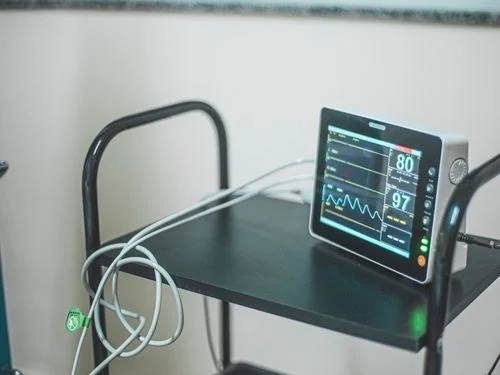
For example, a patient with diabetes can use a continuous glucose monitor that uploads readings automatically to a secure online portal. The healthcare provider can review the data and adjust treatment plans without the patient needing to visit the clinic. Similarly, blood pressure and heart rate data from home monitors can be transmitted to physicians for remote monitoring, ensuring early intervention when necessary.
Connected health devices are particularly beneficial for elderly populations. Wearables that monitor falls, track activity levels, or detect irregular heart rhythms provide peace of mind to both patients and caregivers. Alerts can be sent to family members or medical personnel instantly, allowing rapid response in critical situations. By reducing reliance on in-person visits, these gadgets improve individuals’ quality of life while also easing the burden on healthcare systems.
Innovations in Mobile Health Apps
Mobile health applications are complementing medical gadgets by making health tracking and management more interactive. These apps transform raw data from devices into actionable insights, reminders, and even predictive health alerts. For example, glucose monitoring apps provide dietary suggestions, exercise recommendations, and medication reminders based on real-time readings.
Apps for blood pressure management can track trends over weeks and months, generating reports that patients can share during consultations. Fitness and sleep tracking apps help users identify patterns that affect overall health and suggest practical adjustments. By combining wearable technology with intelligent algorithms, mobile health apps empower users to take proactive steps toward better health outcomes.
Accessibility for People with Disabilities
Medical gadgets are not only improving convenience but also enhancing accessibility for people with disabilities. Hearing aids have become more sophisticated, integrating Bluetooth connectivity and AI-driven noise filtering for improved communication. Vision aids, such as electronic magnifiers and smart glasses, provide real-time text and image recognition, assisting visually impaired individuals in daily tasks.
Assistive medical devices also include mobility and rehabilitation devices. Wearable exoskeletons and robotic support devices enable individuals with mobility challenges to regain independence. Physical therapy gadgets with sensors provide feedback on movement patterns, helping patients perform exercises correctly and avoid injury. These technologies reduce barriers to healthcare and enable a more inclusive approach to wellness.
Cost Reduction and Wider Reach
One of the most significant benefits of medical gadgets is their potential to reduce healthcare costs. By enabling early detection, remote monitoring, and self-management, these devices can prevent costly hospitalizations and reduce the need for frequent doctor visits. Portable diagnostic devices, for instance, eliminate the need for expensive lab tests for specific routine assessments.
Moreover, the widespread availability of affordable medical gadgets allows underserved populations to access essential healthcare tools. Nonprofit organizations, government programs, and private companies are increasingly distributing these devices to communities with limited access to healthcare infrastructure. For example, rural areas in developing countries are benefiting from low-cost, portable diagnostic kits that enable early detection of conditions such as anemia, malaria, and diabetes. By addressing accessibility and affordability simultaneously, these innovations are making healthcare more equitable worldwide.
The Role of Artificial Intelligence in Medical Gadgets
Artificial intelligence is enhancing the capabilities of medical gadgets, making them more intelligent and more predictive. AI algorithms can analyze data from wearable devices, imaging tools, and diagnostic devices to identify trends, predict risks, and suggest preventive measures.
For instance, AI-powered glucose monitors can analyze fluctuations and provide personalized recommendations to maintain stable blood sugar levels. AI-assisted imaging in portable ultrasound machines can detect anomalies faster than traditional methods, enabling clinicians to make informed decisions more quickly. By integrating AI, medical devices are not only monitoring health but also interpreting data, offering a level of insight once restricted to specialized medical professionals.
Challenges and Considerations
While medical devices are transforming access to healthcare, challenges remain. Data privacy and security are critical concerns, as personal health information is increasingly transmitted online. Users must ensure that devices comply with privacy regulations and use secure platforms for data storage.
Additionally, the accuracy and reliability of devices are vital. Not all gadgets are created equal, and some may produce inconsistent readings. Healthcare providers and consumers must choose FDA-approved or clinically validated devices to ensure safe and effective use.
Education and proper training are also essential. While gadgets make health management more accessible, users need to understand how to interpret data correctly and when to seek professional medical advice. Without proper guidance, self-monitoring could lead to misdiagnosis or unnecessary anxiety.
Future Trends
The future of medical gadgets points toward even greater integration, miniaturization, and personalization. Flexible wearable sensors, smart textiles, and implantable devices will enable seamless, unobtrusive continuous monitoring. Biometric sensors embedded in everyday clothing could track vital signs without the need for separate devices.
Personalized health devices powered by AI will offer recommendations tailored to an individual’s genetics, lifestyle, and medical history. Virtual reality and augmented reality may enhance rehabilitation and therapy experiences, making healthcare more interactive and engaging.
Moreover, global efforts to provide low-cost medical devices in remote and underserved regions will continue to expand access to essential healthcare. As innovation accelerates, medical devices are poised to bridge the gap between healthcare availability and individual needs worldwide.
Accessible Technology for Better Health
Medical gadgets are transforming healthcare by making monitoring, diagnostics, and preventive care more accessible, affordable, and proactive. Wearables, portable devices, connected tools, and AI systems empower individuals to manage their health, benefiting those with chronic conditions, older adults, and underserved communities. These innovations have the potential to democratize healthcare, enabling more inclusive, efficient, and personalized care while fostering greater health awareness and empowerment for everyone.