
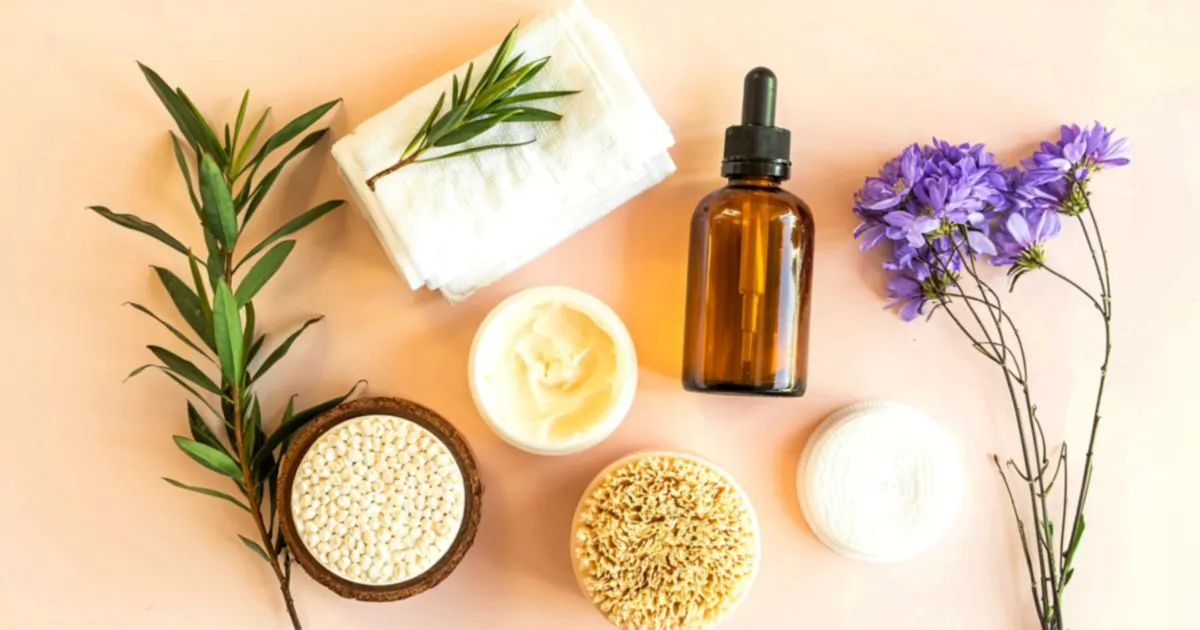
A shift toward natural personal care has become more popular than ever in 2025. Growing consumer awareness about skin sensitivity, environmental impact, and ingredient safety is driving demand for products made with plant-based ingredients, minimal chemicals, and sustainable packaging. Clean beauty and green personal care labels are expanding rapidly, offering safer, kinder alternatives to conventional skincare, hair care, and everyday body products.
Transitioning to natural personal care means more than swapping a cleanser for a “natural” version. It involves gradually redefining routines, understanding ingredient labels, and selecting products that genuinely support skin health and environmental values. This guide explains why a natural transition matters now, how to get started, what to look for, and offers examples of some of the most trusted products and brands in 2025.
Why Transitioning To Natural Personal Care Matters Now
Health And Skin Sensitivity Awareness
Many conventional personal care products still rely on synthetic preservatives, sulfates, artificial fragrances, parabens, phthalates, and other additives that can irritate skin, disrupt hormonal balance, or cause allergic reactions. Plant-based personal care products often use gentler, naturally derived ingredients such as aloe vera, coconut oil, botanical extracts, and essential oils. These ingredients tend to be less irritating to the skin and more compatible with sensitive skin types, offering a safer, more nourishing option.
Environmental And Ethical Considerations
Conventional personal care products nearly always use plastic packaging and non-biodegradable chemicals. Plant-based and natural products tend to use eco-friendly, recyclable, or minimal packaging. Many natural care brands commit to sustainable sourcing, fair-trade ingredients, cruelty-free testing, and a minimized environmental footprint. Choosing natural personal care becomes part of a larger commitment to eco-conscious living.
Rising Demand For Transparency And Clean Beauty
Consumers in 2025 expect greater transparency about ingredients, sourcing, and production practices. This demand has encouraged many brands to publish full ingredient lists, highlight certifications such as organic, cruelty-free, and vegan, and offer refill or sustainable packaging options. Clean beauty, once a niche, is now mainstream.
How To Start The Transition: A Slow And Sustainable Approach
Begin With Basics: Cleanser, Moisturizer, Shampoo, Deodorant
It is often best to start the transition by replacing the most-used and most frequently contacted personal care products. These include facial cleansers, moisturizers, shampoo and conditioner, and deodorant. Switching these first tends to have the biggest impact on skin, scalp, and overall comfort.
A gentle soapless cleanser with natural oils and botanical extracts can remove impurities without stripping away skin’s natural moisture. A natural deodorant using plant-based powders or essential oils can replace aluminum-based conventional formulas. Hair cleansers formulated with plant-based ingredients help maintain scalp health while avoiding sulfates.
How To Read Labels And Choose Truly Natural Products
Know What To Avoid: Parabens, Sulfates, Synthetic Fragrance, Phthalates
Not everything labeled “natural” meets the highest standards. A careful reading of ingredient lists remains essential. Common components to avoid include parabens, sulfates, synthetic fragrances, and phthalates.
Look For Ingredient Transparency, Plant-Based Formulas, And Clean Certifications
Prioritize brands that clearly list their ingredients, describe sourcing for botanical oils and herbal extracts, and use certifications for organic or cruelty-free formulations. Products made with simple ingredient lists and recognizable natural components typically deliver the safest results. Some brands also commit to recyclable packaging or refill programs to reduce waste.
What To Expect When You Switch: Benefits And Adjustments
Making a gradual transition to natural personal care can bring several long-term benefits, including improved skin comfort, less irritation, a lighter environmental footprint, and better overall wellness.
It is helpful to manage expectations. Natural formulas might have a different texture, slower foaming action, or a lighter scent than conventional counterparts. Results might take time as the skin or scalp adjusts. Many users find that, over time, skin becomes calmer, hair feels healthier, and overall well-being improves with cleaner products.
Recommended Natural Personal Care Products And Brands In 2025
- HB Dead Sea Minerals Soapless Face Cleanser: A gentle soapless cleanser with sea buckthorn oil and chamomile for all skin types. It cleans deeply without stripping natural oils, leaving skin soft, smooth, and balanced. Great as a first natural cleanser when transitioning away from harsh detergents.
- Urang Organic Rose Mist: A 100% organic rose water mist that hydrates and refreshes the skin throughout the day. Ideal as a natural toner or a refreshing pick-me-up during travel or long days.
- Green Beaver Lavender Deodorant Stick: An aluminum-free natural deodorant using botanical extracts for odor control. Gentle on sensitive skin and effective without synthetic additives.
- The Earthling Co. Shampoo Bar: A sulfate-free shampoo bar that cleanses hair gently while preserving scalp health. A sustainable alternative to traditional liquid shampoos and excellent for reducing plastic waste.
- Bee Gentle Essential Skincare System: A comprehensive skincare system designed for sensitive and reactive skin. Fragrance-free and non-comedogenic, this set supports skin barrier health while avoiding harsh chemicals.
- Plantlife Natural Starter Bundle: A starter bundle with body oil, bath salts, and soap for a full-body natural care refresh. Great for someone beginning their journey into clean, holistic personal care.
- Wild Herbs & Honey Organic Shampoo: An organic shampoo formulated with certified herbs and essential oils. It caters to different hair types and offers a natural approach to cleansing and nourishing the scalp and hair.
- The Earthling Co. Wash or Skip Hair Bundle: A complete hair care set including sulfate-free shampoo, conditioner bars, and dry shampoo. Ideal for anyone looking to streamline their haircare routine while sticking to sustainable, natural products.
These products illustrate how accessible and effective natural personal care has become in 2025.
Step-By-Step Approach To Transition: A Practical Plan
Conduct A Personal Audit
Begin by listing all products used daily, from face wash to deodorant to shampoo and body lotions. Identify which ones include harsh chemicals, synthetic fragrances, or excessive packaging.
Prioritize Product Swaps
Focus first on daily-use products that most affect skin and health: cleanser, deodorant, shampoo, and moisturizer. Switching these first offers the biggest immediate benefit.
Research Ingredient Labels And Certifications
Look for terms like organic, plant-based, cruelty-free, paraben-free, sulfate-free, and no synthetic fragrance. Prefer products with shorter ingredient lists and recognizable natural ingredients.
Transition Gradually Rather Than All At Once
Replace a few items at a time to allow skin and scalp to adjust. This reduces the risk of irritation and helps identify which products truly work best.
Simplify Your Routine If Needed
Consider paring down to essentials such as cleanser, moisturizer, body wash, and shampoo before adding serums, masks, or extras. A minimalist routine often reduces exposure to unnecessary additives.
Pay Attention To Skin And Hair Responses
Monitor how skin, scalp, and hair react over several weeks. Natural products may feel different, and benefits can take time to emerge. Hydration levels, skin calmness, and general comfort are good indicators.
Support Sustainable Brands And Ethical Practices
Choose brands committed to transparency, ethical sourcing, recyclable or refillable packaging, cruelty-free testing, and environmental responsibility.
Adopt Complementary Healthy Habits
Natural personal care works best as part of a holistic lifestyle. Balanced nutrition, hydration, sleep, and moderate sun protection help amplify the benefits of clean products.
Common Challenges And How To Overcome Them
Adjustment Phase And Temporary Change
Switching from conventional to natural products may involve an initial adjustment period. Hair may feel less conditioned, or skin may react slightly at first. Patience is essential, as skin and hair usually settle into a healthier rhythm once the chemical load is removed.
Misleading Labels And Greenwashing
Some products claim to be natural but still contain synthetic preservatives or fragrances. Labels like all natural are not legally regulated. The best defense is careful reading of ingredient lists, researching brand practices, and prioritizing verified certifications, such as organic, cruelty-free, or recyclable packaging.
Cost And Availability
Natural products can sometimes feel more expensive or harder to find, especially in certain markets. Start with a few key swaps and look for mid-range or budget-friendly natural brands. Over time, more affordable options are becoming available.
Trends And Innovations In Clean Personal Care For 2025
Growth Of Transparent, Ethical, And Sustainable Brands
Clean beauty is no longer niche. Many brands emphasize transparency about ingredient sourcing, environmental impact, and ethical practices. Recycled packaging, refill systems, and naturally derived preservatives make natural personal care a realistic and responsible choice.
Rising Popularity Of Plant-Based Skincare And Body Care
Brands such as Herbivore Botanicals and Cocokind are frequently mentioned in 2025 clean beauty roundups. Their use of botanical oils, minimal ingredients, and sustainable practices appeals to those seeking gentle yet effective skincare.

Inclusive And Accessible Clean Beauty
As demand rises, more affordable clean personal care options are becoming available. Some brands maintain high ethical standards while offering reasonable price points. This makes the transition to natural care more accessible for a wider audience.
Integration Of Natural Care Into Everyday Routines
Natural personal care is no longer seen as a luxury or special treatment. It is becoming integrated into everyday routines, from shampoo bars and natural deodorants to rose-water mists and gentle cleansers. This normalization reduces misconceptions around natural products being trendy but impractical.
Why Natural Personal Care Is More Than A Trend
Natural personal care reflects a broader shift toward holistic wellness. What gets applied to the skin matters for personal health, environmental impact, and long-term skin and hair resilience. As consumers become more aware of the potential risks of synthetic ingredients, demand for safer alternatives continues to rise.
Natural care also encourages mindfulness. Selecting ingredients, supporting ethical brands, minimizing waste, and aligning beauty routines with environmental values create a deeper connection between personal care and personal values.
Embrace a Kinder, Sustainable Beauty Routine
Transitioning to natural personal care products in 2025 is less about rejecting mainstream products and more about making thoughtful choices. It is about prioritizing comfort, skin health, ingredient transparency, and environmental responsibility.
Beginning with essentials such as cleanser, moisturizer, shampoo, and deodorant, and gradually replacing conventional items with thoughtfully formulated natural alternatives can lead to smoother skin, more balanced hair, and a lighter ecological footprint. Combining these changes with healthy daily habits amplifies the benefits.
The products highlighted here demonstrate that natural care can be effective, accessible, and luxurious. As the clean beauty movement grows, more brands and innovations emerge, making natural personal care increasingly feasible for everyone.
Choosing natural personal care today means embracing a kinder, more sustainable, and mindful beauty routine.