Landing a job in a creative field requires more than just showcasing your talent and skills. First impressions matter, and your outfit for a job interview plays a significant role in communicating professionalism, personal style, and cultural fit. Unlike traditional corporate environments, creative industries encourage individuality, expression, and trend-awareness. However, that does not mean anything goes. Striking the right balance between style and professionalism is crucial. This guide will walk you through selecting the best outfits for job interviews in creative fields, with practical tips, examples, and insights to help you stand out positively.
Understanding the Creative Industry Dress Code
Creative fields, including advertising, fashion, design, media, and technology, often have a more flexible approach to attire than traditional corporate jobs. Startups and agencies typically value innovation, boldness, and individuality. That said, there is still an expectation for neat, polished, and purposeful dressing. Outfits should reflect your personality while conveying respect for the company and the role you are applying for.

For example, a graphic designer applying to a design studio may have more freedom to wear expressive prints, statement accessories, or bold color combinations. In contrast, a UX designer at a tech startup may benefit from clean, minimalistic outfits with subtle creative touches such as unique shoes or an interesting jacket. Understanding the company culture is essential before choosing your outfit. Check their website, social media pages, or LinkedIn profiles to gauge how employees dress daily.
Key Principles for Choosing Interview Outfits
When planning an outfit for a creative job interview, several guiding principles should be considered. These principles will help you look stylish, professional, and appropriate for the role.
1. Show Personality While Remaining Polished
Your outfit should reflect your individuality without appearing careless. Creative employers want to see that you have a sense of style that aligns with the field. Avoid clothing that is too flashy, worn-out, or inappropriate for a professional setting. Consider incorporating colors, patterns, or accessories that make your outfit memorable, such as a tailored blazer in a vibrant hue, a patterned silk scarf, or custom-designed shoes.
2. Focus on Fit and Comfort
Fit is one of the most important aspects of a professional yet creative outfit. Clothing that is too tight, loose, or ill-fitting can give an impression of sloppiness. Opt for pieces that flatter your body shape and allow for ease of movement. Comfort is also key because interviews can be long, and feeling uneasy in your outfit may affect your confidence. Think sleek trousers, structured jackets, or stylish dresses that offer a balance between professionalism and comfort.
3. Mind the Details
Attention to detail signals professionalism. Make sure your clothes are clean, pressed, and lint- and stain-free. Accessories should be intentional and not distracting. Simple jewelry, a quality watch, or a well-chosen belt can elevate your look. For creative roles, subtle details like an interesting tie, a unique bag, or designer shoes can subtly showcase your creative flair.
4. Balance Boldness with Professionalism
Creative industries celebrate individuality, but it is essential not to overdo it. For instance, wearing neon colors from head to toe or mixing multiple loud patterns might make you look less polished. Instead, choose one statement piece, such as a printed blazer, a colorful scarf, or distinctive shoes, and keep the rest of your outfit neutral and balanced.
Outfit Ideas for Women in Creative Fields
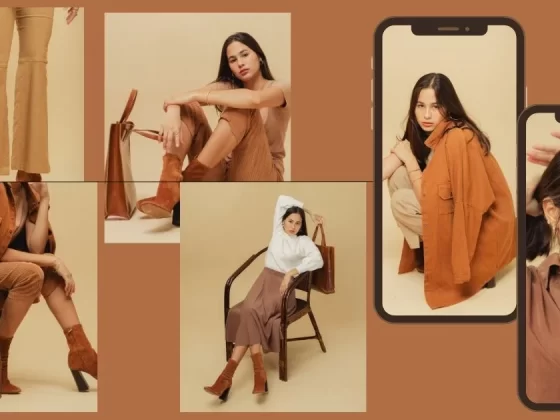
Women have the advantage of experimenting with a wide range of clothing options while maintaining professionalism. Here are some outfit ideas suitable for creative job interviews:
1. Statement Blazer and Tailored Pants
A brightly colored or patterned blazer paired with neutral trousers is a perfect way to show creativity while remaining polished. For example, a mustard blazer over a white blouse and black tailored pants conveys confidence and style. Pair this look with ankle boots or loafers and minimalistic jewelry to keep the focus on the statement blazer.
2. Modern Dress with Unique Accessories
A sleek, knee-length dress with an unusual texture, asymmetrical cut, or subtle print can be ideal for creative roles. Accessorize with a bold necklace, a designer belt, or patterned tights. Shoes such as block heels or stylish flats complete the ensemble while ensuring comfort.
3. Smart Casual with Creative Twists
If the company culture is more relaxed, smart casual outfits can work well. Consider a high-quality sweater or blouse paired with tailored culottes or dark-wash jeans. Add a pop of color with shoes, a handbag, or a scarf to demonstrate creativity. Ensure your clothing is neat, well-fitted, and coordinated to maintain a professional impression.
4. Monochrome with a Pop of Color
Monochrome outfits can be chic and sophisticated. Wearing a single color palette, like shades of gray, navy, or beige, creates a clean, cohesive look. Introduce a pop of color through accessories, shoes, or a bag to show personality without overwhelming the overall outfit.
Outfit Ideas for Men in Creative Fields
Men in creative industries can combine classic professional pieces with elements that show individuality. Here are practical ideas:

1. Tailored Suit with Modern Twist
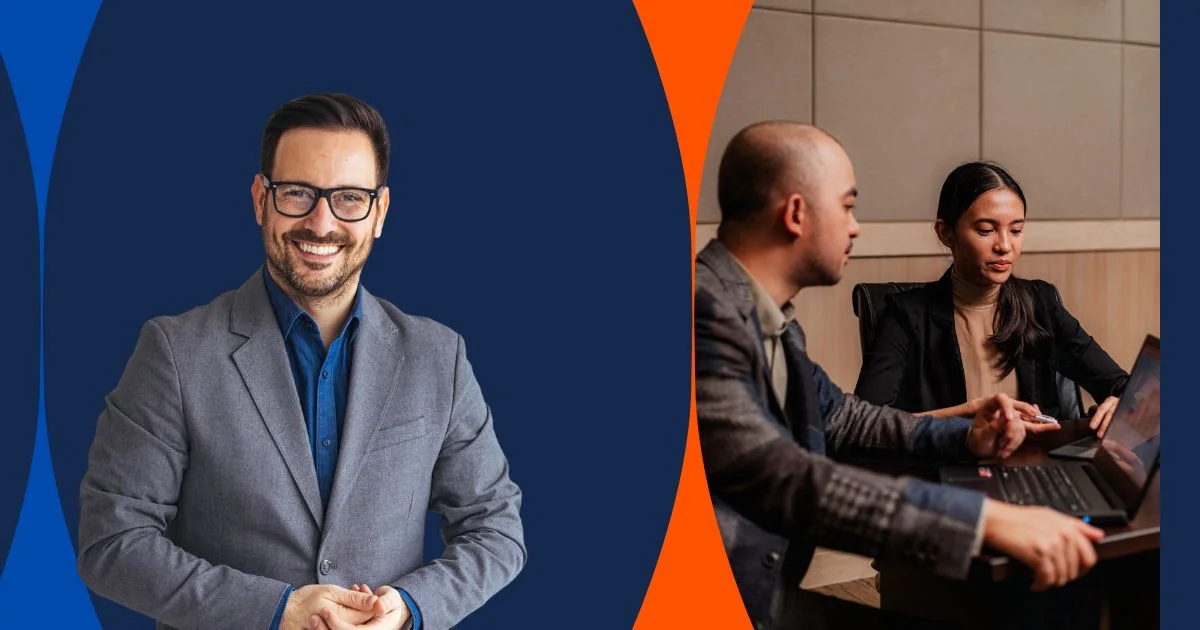
A well-fitting suit is timeless, but in creative fields, consider experimenting with color, texture, or patterns. A navy or charcoal suit is always a safe bet, but pairing it with a patterned shirt, colorful tie, or textured shoes can show personality. Skip the traditional black shoes and try brown or oxblood for a stylish touch.
2. Smart Casual with Statement Layers
For companies with a more relaxed dress code, smart casual can work well. Pair tailored chinos or dark jeans with a crisp shirt or lightweight sweater. Layer with a bold jacket, such as a corduroy blazer or a leather jacket, to create interest. Accessories like a unique watch, stylish glasses, or patterned socks can showcase creativity.
3. Creative Footwear and Accessories
Shoes and accessories provide excellent opportunities to express individuality. Designer sneakers, colorful loafers, or statement belts can elevate a relatively simple outfit. Men can also experiment with ties, pocket squares, and watches that reflect personal style while remaining professional.
4. Mix and Match Fabrics and Colors
Layering different fabrics and colors can make an outfit visually interesting without looking overdone. For instance, pair a wool blazer with a cotton shirt and corduroy trousers. Subtle textures like suede shoes or a leather belt add sophistication while highlighting creativity.
Hair, Makeup, and Grooming Tips
Beyond clothing, personal grooming contributes to a polished interview look. Hair should be neat and styled in a way that feels natural and professional. Makeup, for those who choose to wear it, should enhance rather than dominate your features. Clean, trimmed nails and minimal, tasteful fragrances help create a positive impression. Attention to these small details signals professionalism and readiness for the workplace.
Understanding Company Culture Before Dressing
Researching the company culture is crucial for creative industries. Some companies embrace bold, avant-garde fashion, while others prefer understated elegance. Observe employees’ attire on the company’s social media channels, websites, or at networking events. When in doubt, it is safer to dress slightly more formal than the office norm. You can always add personal touches through accessories and colors to showcase creativity.
Common Mistakes to Avoid
Even in creative industries where individuality and self-expression are valued, inevitable fashion missteps can undermine your first impression. Avoiding these pitfalls ensures your outfit communicates professionalism and confidence, letting your skills and personality shine rather than distracting from them. Here are the most common mistakes to watch out for:
1. Dressing Too Casual
While creative workplaces are often more relaxed than corporate environments, showing up in ripped jeans, hoodies, or flip-flops can suggest a lack of preparation or seriousness. Even if the office has a casual dress code, interviews typically require a more formal version of daily attire. For example, swap distressed denim for dark, tailored jeans or trousers, and replace hoodies with structured sweaters or blazers. Footwear should be polished and appropriate, such as loafers, ankle boots, or stylish flats.
2. Over-Accessorizing or Wearing Distracting Pieces
Accessories can enhance an outfit, but too many statement pieces can pull focus away from your professionalism. Large, clashing jewelry, loud hats, or overly flashy bags may distract the interviewer from your skills and portfolio. In creative industries, it is best to choose one standout accessory, such as a unique necklace, colorful watch, or patterned scarf, and keep the rest of your look understated. This demonstrates taste, attention to detail, and a sense of style without overwhelming your overall presentation.
3. Wearing Ill-Fitting or Sloppy Clothing
Clothing that is too tight, too loose, or wrinkled can give an impression of carelessness, even if the rest of your outfit is stylish. Fit matters more than brand or trendiness. Tailored pieces such as fitted blazers, neatly pressed shirts, and properly lengthened trousers convey confidence and professionalism. Avoid outfits that bunch, sag, or restrict movement, as they can affect posture and comfort during the interview, which may impact your performance.
4. Overdoing Bold Colors or Patterns
Creative fields encourage personal style, but too many bold colors or clashing patterns can appear chaotic rather than creative. For instance, pairing a neon top with patterned pants and bright shoes can be visually overwhelming. The key is balance. Combine one statement piece with neutral or muted tones elsewhere in your outfit. A patterned blazer with black trousers, or a colorful scarf over a monochrome dress, lets your personality shine without overwhelming your professional presence.
5. Neglecting Grooming and Hygiene
No outfit can compensate for poor grooming. Hair should be clean and styled neatly, nails trimmed, and personal hygiene maintained. Makeup, if worn, should enhance rather than dominate your appearance. Shoes should be clean and polished, and clothing should be free of stains, lint, or wrinkles. Small touches, such as a subtle fragrance and tidy accessories, can elevate your overall impression, demonstrating that you take the interview seriously and respect the company’s expectations.
By avoiding these common mistakes, your outfit can serve as a tool to enhance credibility, boost confidence, and let your skills take center stage. The goal is to project professionalism while reflecting your creative personality in a balanced, thoughtful way. Small adjustments and attention to detail often make the difference between an outfit that impresses and one that distracts.
Dressing for Success in Creative Interviews
Choosing the best outfit for a job interview in creative fields is about finding the balance between professionalism and individuality. Dressing appropriately demonstrates respect for the company and the role while allowing you to express your personal style. By understanding the company culture, focusing on fit, paying attention to details, and carefully selecting statement pieces, you can create an outfit that leaves a lasting impression.
Whether you are a designer, marketer, media professional, or artist, your interview attire is a subtle way to communicate your creativity, confidence, and readiness to contribute to the company. A well-chosen outfit can boost your confidence, enhance your presentation, and help you stand out in a competitive job market. Remember, in creative fields, style is not just about appearance, it reflects your personality, taste, and approach to your work. Take the time to craft an outfit that represents the best version of yourself.